Rotator Cuff Tear: Effective Arthroscopic Treatment in Surat by Dr. Vishal Mandlewala
Rotator cuff injuries are among the most common causes of shoulder pain, particularly in people over the age of 40. These injuries often go unnoticed until the pain interferes with daily activities. Dr. Vishal Mandlewala, an experienced arthroscopy surgeon in Surat, offers advanced diagnosis and treatment options for rotator cuff tears, helping patients regain mobility and return to pain-free living.
What Is a Rotator Cuff Tear?
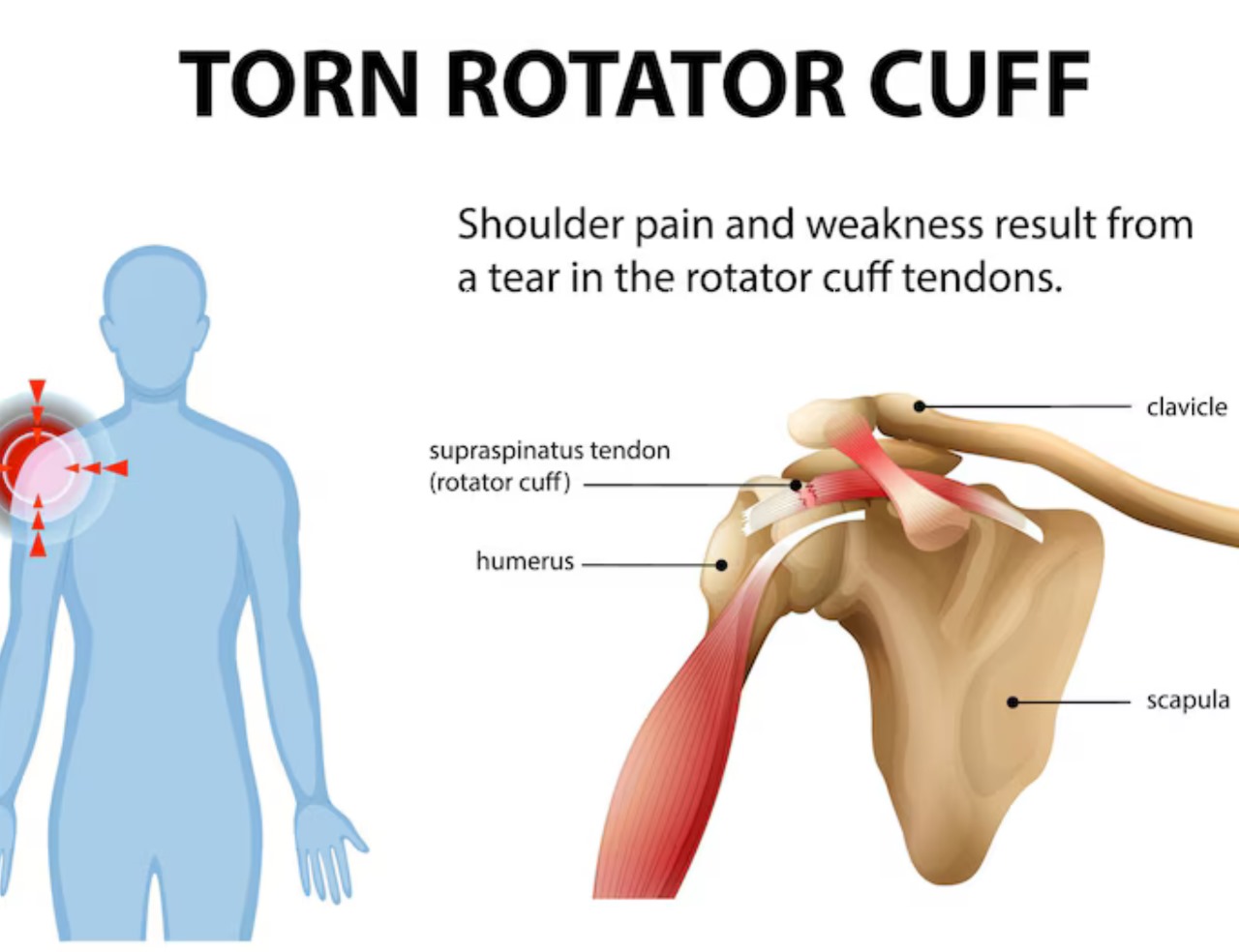
The rotator cuff is a group of muscles and tendons that stabilizes the shoulder joint and allows a wide range of arm movements. A tear in the rotator cuff occurs when one or more of these tendons is damaged, either partially or completely detached from the bone.
Rotator cuff tears can result from sudden injuries or develop gradually due to repetitive overhead activities, poor posture, or age-related wear and tear.
Types of Rotator Cuff Tears
There are two primary types:
Partial Tear: The tendon is damaged but still attached to the bone.
Complete Tear: The tendon separates fully from the bone, often resulting in significant weakness and pain.
Understanding the severity and type of tear is crucial in determining the appropriate course of treatment.
How Common Are Rotator Cuff Tears?
Rotator cuff problems affect more than 2 million people in the United States each year. While these injuries can occur in people of all ages, they are more prevalent in adults over 40 due to degeneration of the tendon tissue. Interestingly, many people may have rotator cuff tears without any noticeable symptoms.
Symptoms of a Rotator Cuff Tear
Common symptoms include:
Pain when raising or rotating the arm
Weakness in the shoulder
Difficulty lifting or carrying objects
Pain at night or when resting the arm
A crackling or popping sensation during movement
The level of pain can vary from a dull ache to intense discomfort, especially if the tear results from a traumatic injury.
Causes and Risk Factors
Rotator cuff tears can occur suddenly due to accidents or evolve over time from repeated stress. The most common causes include:
Overuse: Repetitive arm motions, especially in sports or manual labor
Degenerative Changes: Age-related thinning and weakening of tendons
Bone Spurs: These can rub against the tendon and cause tearing
Reduced Blood Flow: Less nourishment to tendons impairs healing
People at higher risk include painters, mechanics, athletes, and anyone with a history of shoulder injuries or poor posture.
Diagnosis: How Dr. Vishal Mandlewala Assesses Shoulder Pain
Dr. Mandlewala begins with a detailed medical history and physical examination. This helps identify signs of tenderness, weakness, and reduced range of motion.
To confirm the diagnosis and assess the severity of the tear, imaging tests such as:
X-rays: Useful to rule out bone abnormalities
MRI or Ultrasound: Provide a clear picture of soft tissue damage
These diagnostic tools help create a customized treatment plan suited to the patient’s condition and lifestyle.
Non-Surgical Treatment Options
Not every rotator cuff tear requires surgery. In many cases, conservative treatments offer significant relief, especially for partial tears.
Dr. Mandlewala may recommend:
Rest and Activity Modification: Avoiding activities that worsen the pain
NSAIDs: Medications to reduce pain and inflammation
Physical Therapy: Tailored exercises to strengthen shoulder muscles
Steroid Injections: To manage persistent inflammation
With consistent rehabilitation, many patients regain shoulder function without surgical intervention.
When Surgery Is Needed
Surgical treatment is advised in cases where:
The tear is complete and limits movement
Conservative treatments haven’t provided relief
The patient’s job or sports activity requires full shoulder function
Dr. Vishal Mandlewala performs minimally invasive arthroscopic surgery, which involves small incisions, quicker recovery, and less postoperative pain.
Arthroscopic Rotator Cuff Repair: What to Expect
During the procedure:
A small camera (arthroscope) is inserted into the shoulder joint
Visual images guide surgical tools through small incisions
Bone spurs are removed, and the tendon is reattached to the bone using anchors
In some partial tears, the surgeon may only need to trim frayed edges. In other cases, more extensive repair or tendon transfer may be needed.
Recovery Timeline
Recovery from rotator cuff surgery is gradual and can take 6 to 12 months depending on the extent of the tear and the patient’s healing rate.
Recovery phases typically include:
0–6 weeks: begin light physiotherapy
6–12 weeks: Scapula strengthening exs, stabilization exs and regain range of movement
3–6 months: Regain range of motion and begin strengthening
6–12+ months: Return to full function for work or sports
Dr. Mandlewala provides a detailed rehabilitation program to help patients achieve the best possible outcome.
Success Rates and Long-Term Outcomes
Arthroscopic rotator cuff repair has a high success rate, especially when performed early in the injury. Most patients experience substantial pain relief and improved shoulder strength. However, severe or neglected tears may result in incomplete recovery or re-tearing. Maintaining shoulder strength through regular exercises and avoiding overuse is critical to prevent future injuries.
Delaying treatment can lead to larger tears, increased pain, and decreased mobility.
Why Choose Dr. Vishal Mandlewala in Surat?
Specialized in shoulder arthroscopy
Years of hands-on experience with rotator cuff repair
Equipped with modern arthroscopic tools and imaging
Personalized treatment plans
Patient-focused approach with proven outcomes
Patients across Surat trust Dr. Mandlewala for precise diagnosis and evidence-based care.
Final Thoughts
A rotator cuff tear can impact your daily life, but timely diagnosis and proper treatment can restore function and comfort. If you’re experiencing shoulder pain, don’t wait until it worsens.
Book a consultation with Dr. Vishal Mandlewala today and take the first step toward recovery.
Visit his Surat clinic for a thorough evaluation and tailored treatment plan suited to your condition and lifestyle.